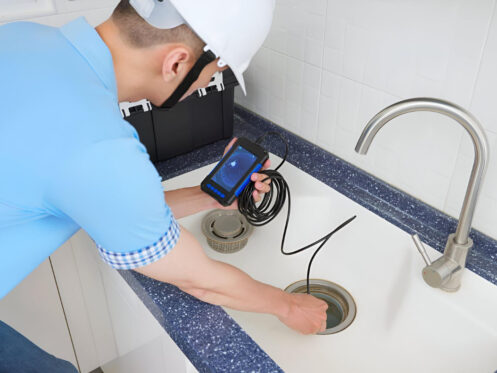
Understanding Water Pressure
Water pressure helps push water through your pipes so it flows out of your faucets and showers. Knowing what affects water pressure and how to check it can help you fix low pressure without replacing pipes.What Is Water Pressure?
Water pressure is the force that moves water through your plumbing. It is usually measured in pounds per square inch, or PSI. The higher the PSI, the stronger the water flow. Your home’s water pressure depends on the city’s supply and your plumbing setup. If pressure is too low, water flows slowly. If it’s too high, it could damage your pipes and fixtures.Common Causes of Low Water Pressure
Low water pressure can happen for several reasons in your home:- Clogged fixtures: Mineral build-up or sediment can block water flow.
- Partially closed valves: Shut-off valves not fully open can restrict pressure.
- Faulty pressure regulators: These devices can wear out or get stuck.
- Leaks: Hidden leaks waste water and lower pressure.
- Clogged filters: If your water filter is clogged, pressure drops.
How to Measure Water Pressure
You can measure water pressure using a simple pressure gauge. These screw onto an outdoor faucet or a laundry tub faucet.- Attach the gauge to the faucet.
- Turn the water on fully.
- Read the PSI value on the gauge.
Simple Quick Fixes
You don’t always need to replace pipes to fix low water pressure. Sometimes, small parts like faucet aerators or showerheads get clogged. Other times, valves that control water flow aren’t fully open. These quick checks can often boost your water pressure fast.Check and Clean Faucet Aerators
Faucet aerators are small screens at the end of your taps. Over time, they collect dirt, mineral buildup, and debris. This buildup can reduce water flow and make pressure feel weak. To clean the aerator, first unscrew it by hand or with a wrench if it’s stuck. Soak it in vinegar for about 30 minutes to dissolve minerals. Use an old toothbrush or toothpick to remove any leftover dirt. Rinse it well, then screw it back onto the faucet securely. Try this on all the faucets you use often. It’s a cheap and easy way to improve water pressure and keep water flowing smoothly.Inspect Showerheads for Clogs
Showerheads are also prone to blockage from minerals and sediment. This slows down water flow and causes low pressure in your shower. Remove the showerhead by twisting it off. Soak it in white vinegar overnight to break down hard water deposits. After soaking, scrub the tiny holes with a brush or toothpick. Rinse thoroughly and reattach it tightly. If cleaning doesn’t help, check if your showerhead has a flow restrictor. Removing or adjusting the restrictor can increase water pressure but be careful not to waste water.Open Shutoff Valves Fully
Sometimes the problem is as simple as a valve not being fully open. Valves control the water entering your home or specific fixtures. If they are partly closed, water pressure will drop. Find the main water shutoff valve near your water meter or where the pipe enters your home. Turn the valve all the way counterclockwise to open it fully. Also, check individual shutoff valves under sinks, toilets, and appliances. If a valve is stiff or hard to turn, using a little lubricant or calling a professional might help. At Splash Plumbing, we often find partly closed valves causing pressure problems and can quickly fix them for you.Maintaining Home Plumbing Fixtures
To boost your water pressure without swapping pipes, focus on key parts of your plumbing. Keeping your water heater clear of sediment, adjusting pressure regulators, and cleaning clogged entry points can all make a big difference.Flush Out Sediment from Water Heaters
Sediment builds up inside water heaters over time. This dirt can block pipes and reduce water flow. Flushing out your water heater regularly helps keep water pressure steady. To do this, turn off the heater and let the water cool. Then open the drain valve at the bottom and let the water flush until it runs clear. This removes built-up minerals and sediment. If you’ve never done this before or aren’t comfortable with it, call a professional plumber like Splash Plumbing. They can safely flush the system and check for other issues that might affect pressure.Replace or Adjust Pressure Regulators
Pressure regulators control how much water pressure enters your home. If it’s set too low, your water will feel weak at the taps. Adjusting or replacing the pressure regulator can improve flow quickly. Locate the regulator, often near where the water line enters your home. If it has an adjustment screw, you can try raising the pressure slightly. Be careful not to set it above 60 PSI, as too much pressure can damage your pipes and fixtures. If your regulator is old or broken, replacing it is a smart investment. Splash Plumbing can handle this for you to make sure it’s done safely and correctly.Clean or Replace Clogged Pipes at Entry Points
Sometimes pipes get clogged near where water enters your home. This can be from mineral deposits or debris and causes low pressure. Cleaning or replacing these pipes can restore strong water flow. Start by checking and cleaning any inlet screens or filters. If pipes are heavily clogged, a plumber can remove mineral buildup or replace damaged sections. You don’t need to replace all your pipes if the clog is limited to entry points. Small fixes here can improve water pressure without major work. This is a common way Splash Plumbing helps homeowners boost flow without big expenses.Optimizing Water Supply
Improving your home’s water pressure often starts with making sure the system works well where it matters most. Checking for leaks and upgrading certain fixtures can help you get better flow without changing your pipes.Test for Leaks and Repair Them
Leaks can lower your water pressure by letting water escape before it reaches your taps. Look for damp spots, puddles, or mold around pipes, faucets, and valves. You might also hear dripping sounds when everything is off. Use a pressure gauge to check your water pressure at different points. If the reading is low, leaks could be the reason. Fix any leaks right away to save water and boost pressure. Small leaks might be fixed with simple tightening or replacing washers. Larger leaks will need professional help. Regularly testing and fixing leaks keeps your water flow steady and avoids bigger plumbing problems later.Upgrade Hose Bibs and Fixtures
Old or damaged hose bibs (outside faucets) and indoor fixtures like showerheads and faucets can limit water flow. These parts can get clogged with mineral buildup or wear down over time. Swapping out old fixtures for newer, high-flow models can improve pressure easily and cheaply. Look for fixtures labeled “high pressure” or “water-saving” but designed to keep the flow strong. Also, check hose bibs for cracks or corrosion. Replacing worn hose bibs helps maintain pressure for outdoor watering and prevents leaks you might not notice right away. Upgrading these parts is a simple way to get better water pressure without changing the pipes themselves. If you want help, Splash Plumbing can guide you to the best fixtures for your home.Boosting Water Pressure with Devices
You can increase your water pressure without changing your pipes by using certain devices that help move water faster or more efficiently. These tools work well in homes where the main supply pressure is fine, but there are issues inside the plumbing system that reduce flow.Install a Water Pressure Booster Pump
A water pressure booster pump pushes water through your home’s pipes to increase flow and pressure. This pump connects to your main water line and makes water come out stronger in showers, faucets, and appliances. These pumps are usually easy to install and provide immediate improvement. However, it’s important to choose the right size pump for your home to avoid putting too much strain on your plumbing. Keep in mind that if your pipes have buildup or damage, a booster pump might cause problems. It’s a good idea to have a professional inspect your system first. Splash Plumbing can help you pick and install the right pump for your needs.Utilize Pressure-Enhancing Home Devices
There are smaller devices like pressure booster valves and faucet aerators that help increase water pressure without a full pump system. Pressure booster valves adjust the flow to raise pressure in specific areas of your home. Faucet aerators and low-flow showerheads also help by restricting water flow just enough to increase pressure while still saving water. These are simple, low-cost solutions that can give you better water flow without big changes. You can install these devices yourself, but if you want the best results, a plumber like Splash Plumbing can recommend the right options and make sure everything works smoothly.Improving Water Pressure in Multi-Story Homes
In multi-story homes, water pressure can vary widely between floors. The key to improving pressure involves adjusting the flow where it tends to drop and sometimes creating separate zones to better manage pressure distribution throughout your house.Adjust Pressure on Upper Floors
Water pressure often weakens as it moves higher in your home. One way to fix this without changing pipes is by adjusting your home’s pressure regulator. If you don’t have one, you might consider installing it to maintain balanced pressure. You can also check for any pressure-reducing valves on upper floors and adjust them. Cleaning faucet aerators and showerheads can help too. Clogs make water flow worse, especially upstairs. If simple fixes don’t help, a booster pump can increase pressure specifically for upper floors.Consider Separate Pressure Zones
Creating separate pressure zones lets you control water flow independently on different floors. This means you can boost pressure upstairs without affecting the lower levels. Separate zones work well when gravity limits flow or when water must travel far vertically. You would install pressure regulators or booster pumps in each zone to manage pressure properly. This setup ensures strong, consistent water flow no matter the floor. For multi-story homes, this is one of the most effective ways to fix uneven water pressure without needing new pipes. If you want professional help with this, Splash Plumbing in Anaheim, CA can evaluate your home’s needs and suggest the best pressure zone setup for you.When to Call a Professional
Sometimes, low water pressure problems are more than simple DIY fixes. Knowing when to reach out to a professional can save you time and prevent more damage to your plumbing system.Persistent Low Pressure Issues
If you’ve tried checking faucets, cleaning aerators, and adjusting valves but your water pressure is still weak, it might be time to call in an expert. Persistent low water pressure can be caused by hidden leaks or blockages deeper in your pipes. These issues often need special tools to find and fix. Also, if the problem is in the whole house and not just one faucet or shower, a pressure regulator may be faulty or need adjustment. Professionals can test and replace this part safely.Identifying Major Plumbing Problems
Some problems are too complex to fix on your own. Corroded or old galvanized steel pipes reduce water flow and often require replacement. This is not a DIY job since it affects your whole system. Hidden leaks under slabs or behind walls need professional leak detection equipment. These leaks waste water and lower pressure without obvious signs. If you notice rust in your water, strange noises in pipes, or sudden drops in pressure, call a plumber.Frequently Asked Questions
Improving your home’s water pressure can involve simple fixes like cleaning fixtures or more technical steps like adding a booster valve. Some solutions work well for city water systems, while others are better for homes with wells.What are some DIY methods for improving water pressure at home?
Start by checking for clogged aerators on faucets and showerheads. Cleaning or replacing these can improve flow. Make sure all valves in your plumbing system are fully open. Look for leaks or drips and fix them, as leaks reduce pressure.Can a water pressure booster pump help and how does it work?
Yes, a booster pump increases water flow by pushing water harder through the pipes. It is connected to your main water line and boosts pressure without changing your pipes.What are cost-effective solutions for enhancing water pressure in a house with a well?
Check the pressure tank settings and ensure it’s properly maintained. Cleaning the well pump screen can also help. Sometimes, adjusting the pressure switch on the pump improves flow without costly upgrades.Are there any simple adjustments a plumber can make to fix low water pressure?
A plumber can adjust or replace your pressure regulator valve if it is set too low or malfunctioning. They also clean mineral buildup in valves and recommend fixes that do not require pipe replacement.What steps can homeowners take to increase water pressure in a city water system?
First, confirm your main shutoff valve is wide open. Clean faucet aerators and showerheads. Check your home’s pressure regulator and adjust or replace it if necessary. If these steps don’t work, a booster valve or pump might be the next option.What should I consider before installing a water pressure booster?
Make sure your existing pipes and fixtures can handle higher pressure to avoid damage. It’s best to consult a professional, like Splash Plumbing, who can check your system and recommend the right booster.
Meet the Author