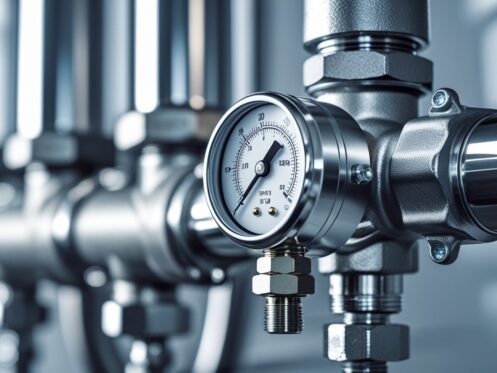
Understanding Water Pressure Regulators
Water pressure regulators are key to keeping your plumbing system safe and working right. They control the water pressure entering your home and help avoid leaks or damage caused by too much pressure.What Is a Water Pressure Regulator
A water pressure regulator is a valve that lowers the pressure of water coming from the main supply. Without it, water pressure could be too high for your home’s pipes and fixtures, which usually need between 40 and 60 pounds per square inch (psi) to work well. It keeps the water pressure steady, even when pressure from the city water supply fluctuates. This protects your plumbing and appliances like dishwashers, washing machines, and water heaters from damage that high pressure can cause.Signs of a Faulty Water Pressure Regulator
If your water pressure regulator is failing, you might notice several issues. Sudden changes in water pressure, such as bursts of very high or low pressure, can be a sign. You might hear water hammer noises or notice dripping from faucets and pipes. Other signs include leaks near the regulator itself or if it no longer holds pressure steady. Your water pressure may be consistently above 80 psi, which is unsafe. Malfunctioning pressure can cause your appliances to wear out faster or leak or break.Why Replacement Is Necessary
Replacing a faulty water pressure regulator is important to prevent serious damage. When the regulator doesn’t work, pipes may burst or leak, causing costly repairs. Your appliances could also fail early due to uneven or high water pressure. A good regulator helps save water and energy by keeping pressure steady. If you notice signs of failure, replacing it quickly can protect your home and reduce your water bills.Tools and Materials Needed
To replace a faulty water pressure regulator, you need the right tools, a properly sized replacement regulator, and some basic safety gear. Having everything prepared helps the job go smoothly and keeps your plumbing safe from damage.Essential Tools for the Job
You’ll need some specific tools to remove the old regulator and install the new one. A pipe wrench or adjustable pliers is necessary to loosen and tighten fittings. Keep Teflon tape handy to wrap around threaded pipes and prevent leaks after installation. A bucket or towel is important to catch any water that drips when you disconnect the regulator. Some jobs might call for a pipe cutter and new pipe fittings if the piping needs replacing or adjusting. Having these tools ready before starting will save you time and frustration.Choosing the Right Replacement Regulator
Make sure you pick a replacement regulator that matches your current one’s size and pressure rating. Using the wrong size can cause poor water flow or damage your plumbing. Regular home systems usually need a standard 3/4-inch or 1-inch regulator. You can find replacement pressure regulators at most hardware stores or plumbing suppliers. Check the specifications on your old device or ask a professional if you’re unsure. Installing a correctly sized regulator will protect your pipes and appliances from too much pressure.Safety Gear You Should Have
Safety is key when handling plumbing work. Wearing gloves helps protect your hands from sharp edges and hot water. Also, use safety glasses to shield your eyes from any splashes or debris. Turn off your water supply before starting the replacement to avoid flooding. Having a flashlight nearby is smart if you’re working in a dark or tight space. Keeping safety in mind helps you avoid accidents. If you’re not comfortable doing this yourself, Splash Plumbing near Anaheim, CA, can help you safely replace your water pressure regulator.Preparing for Replacement
Before replacing your water pressure regulator, you need to make sure the water is off, find where the old regulator is, and release any pressure in the pipes. Taking these steps will keep the process safe and smooth.Turning Off Water Supply
First, shut off the main water supply to your home. You can usually find the main shut-off valve near where the water line enters your house. Turning this valve clockwise will stop water flow. After you turn off the water, open a faucet inside your home to drain any remaining water from the pipes. Make sure to have a bucket or towel ready in case of any drips. This step is very important for your safety and to avoid a big mess.Locating the Existing Regulator
Water pressure regulators are usually installed right after the water meter, where the main water line enters your home. Look for a small, round device with a screw or bolt on top—it often looks like a bell or dome shape. If you’re unsure where your regulator is, follow your main water line from the meter towards your house. It may be inside a utility room, basement, or outside near the meter box. Knowing exactly where the regulator sits makes the replacement faster and less frustrating. If you have trouble locating it, calling a plumber like Splash Plumbing can be a good idea.Relieving System Pressure
Even after turning off the main valve, there can still be pressure in the pipes. To avoid water spraying out, open a nearby faucet or hose bib to release this pressure. Let the water run until it stops or slows to a thin stream. This means pressure inside the pipes has been relieved enough. Be careful when doing this step, as some water may still come out quickly. Wearing safety glasses and having towels handy can help protect you and your space.How to Remove a Faulty Water Pressure Regulator
Removing a faulty water pressure regulator requires careful steps to avoid water damage and ensure safety. You’ll need to turn off the main water supply and prepare the area before starting. Proper tools and a clear workspace make the job easier and safer.Disconnecting Pipes and Fittings
First, turn off your main water valve to stop water flow to the regulator. Open a nearby faucet to relieve pressure and drain any water in the pipes. Next, gather tools like an adjustable wrench, pipe wrench, and possibly a pipe cutter if the fittings are soldered. Carefully loosen the nuts or bolts that hold the regulator in place. If your pipes are old or corroded, use penetrating oil to help loosen the fittings. Be gentle to avoid damaging the pipes, especially if they’re copper or galvanized steel. Place a bucket or towel under the area to catch any leftover water.Safely Removing the Old Regulator
Once disconnected, gently remove the old regulator from the pipe. Inspect the surrounding pipes for corrosion or damage, as these might need repair before installing the new one. If the regulator is stuck, avoid forcing it. Use pipe wrenches with steady pressure to prevent pipe bending or breakage. Clean the pipe ends to remove old tape or debris before installing a new regulator.Installing the New Water Pressure Regulator
When installing a new water pressure regulator, you need to make sure it is properly positioned and securely attached. Applying the right sealant materials and tightening the connections correctly will prevent leaks and ensure your home’s water pressure stays steady.Positioning and Attaching the Regulator
Start by placing the new regulator where the old one was removed. It’s important that the direction arrow on the regulator matches the flow of water in your pipes. This usually points toward your home’s plumbing system. Attach the regulator to the pipe using the fittings supplied. If the old regulator had compression fittings or threaded connections, use the same type for a smooth fit. Make sure the regulator sits straight and solid so it doesn’t shift or twist when water flows through it.Using Thread Sealant and Teflon Tape
Before you connect threaded fittings, wrap Teflon tape around the threads. Wrap it clockwise tightly about 3 to 4 times. This helps stop leaks by filling gaps between the threads. You can also apply a pipe thread sealant or joint compound over the tape for extra protection. Both materials work well together to keep water from seeping out. Avoid using too much because it might cause the fittings to jam, making it hard to tighten.Securing Connections
Once the regulator is in place and sealant is applied, tighten the fittings firmly using a wrench. Don’t over-tighten, as this can damage the threads or crack the regulator body. Check all connections are snug and aligned correctly. After tightening, slowly turn your water supply back on and inspect for leaks. If you see any drips, gently tighten the fittings a little more until dry.Testing and Adjusting Water Pressure
After replacing your water pressure regulator, you need to make sure everything works correctly. This means turning your water back on safely, checking for leaks, and setting the right pressure level.Restoring Water Supply
Start by slowly turning on the main water valve to restore the water supply to your home. Opening it gradually helps prevent sudden pressure spikes that could damage plumbing or cause leaks. Watch for any noises or unusual changes as the water moves through the system. If you have an outdoor hose bib or faucet, open it briefly to let air escape from the pipes. Make sure every faucet inside your home is closed before turning the water back on. Once water flow is steady, check your water meter or pressure gauge to confirm water is flowing properly through the new regulator.Checking for Leaks
With the water back on, carefully inspect around the regulator and nearby pipes for leaks. Look for any dripping water, moisture, or puddles near joints and fittings. If you spot leaks, turn off the water immediately and tighten connections or replace any damaged parts. Even a small leak can cause bigger issues over time. Check under sinks and around appliances as well, since leaks there may be linked to pressure changes or regulator problems.Setting the Correct Pressure
Your water pressure regulator should keep pressure between 40 and 60 psi. Use a water pressure gauge to test the pressure at an outdoor faucet or hose bib. If pressure is too high or low, adjust the screw or knob on the regulator. Turning it clockwise usually raises pressure, while turning it counterclockwise lowers it. Make small adjustments and retest the pressure after each change. Keep adjusting until the gauge reads within the recommended range. If the pressure won’t adjust or stays unstable, the regulator could be faulty and may need replacement.Maintenance Tips for Water Pressure Regulators
Keeping your water pressure regulator in good shape helps avoid leaks and uneven water flow. You can do simple checks, clean the parts, and know when to get expert help. These steps keep your plumbing working well and save money on repairs.Routine Inspections
Check your water pressure regulator at least twice a year. Look for signs like water leaks, rust, or unusual noises near the valve. Also, watch your water pressure. If it suddenly drops or feels too high, this could mean the regulator isn’t working right. Use a water pressure gauge to measure the pressure on your outdoor faucet. Normal pressure is 40 to 60 psi. If it’s outside this range, it’s time to inspect the regulator. If you are not confident checking it yourself, Splash Plumbing can assist you with a quick inspection.Cleaning the Regulator
Dirt and minerals can clog your water pressure regulator, affecting its performance. Turn off the main water supply before cleaning. Remove the dome or cap on the regulator. Use a soft brush or cloth to clear out dirt from inside the valve and openings. Flush the area with clean water to remove any remaining debris. Don’t use harsh chemicals as they can damage the parts. After cleaning, reassemble the regulator and turn your water supply back on. Check if the pressure has improved.When to Call a Professional
If you notice corrosion, cracks, or persistent leaks, it’s best to call a plumber. DIY fixes may not fully solve serious problems and could cause more damage. If your water pressure stays irregular after cleaning or adjusting the regulator, professional help is needed. Splash Plumbing offers expert service for water pressure regulators in Anaheim, CA. Their trained plumbers can replace or repair your regulator quickly and safely. Don’t wait if you see issues. A small problem can lead to bigger plumbing troubles and higher costs.Common Mistakes to Avoid During Replacement
When replacing your water pressure regulator, avoid rushing through the job. Taking your time helps you prevent simple errors that can cause leaks or poor water flow. Not Turning Off the Water Properly is a common mistake. Always shut off your main water supply before starting. This stops water from flooding your home while you work. Using the wrong tools or parts can ruin the job. Make sure you use tools designed for plumbing and get a regulator that fits your system. Splash Plumbing recommends double-checking part specs before buying. Failing to check the pressure setting on the new regulator is another issue. Improper pressure can harm your pipes or appliances. Adjust it according to the recommended pressure, usually around 60-80 psi. Don’t forget to clean the pipes and fittings before installing the new regulator. Dirt or debris can block water flow or damage the valve. If you’re unsure about any step, it’s best to call a professional. Splash Plumbing near Anaheim, CA, can help you avoid costly mistakes and ensure your system works right the first time.| Mistake to Avoid | Why It Matters | How to Fix |
|---|---|---|
| Rushing the job | May cause leaks or failures | Take your time and plan |
| Not shutting off water | Risk of flooding | Turn off main water supply |
| Using wrong parts/tools | Poor fit, leaks | Use correct size and type |
| Ignoring pressure settings | Damage to pipes and appliances | Follow recommended pressure levels |
| Skipping pipe cleaning | Blockages or valve damage | Clean fittings before installing |
Understanding Local Plumbing Codes and Regulations
When replacing a faulty water pressure regulator, you need to follow local plumbing codes and regulations. These rules help keep your home’s plumbing safe and working well. They also protect your property from damage caused by incorrect water pressure. Plumbing codes often set maximum pressure limits for water systems. This is important because too much pressure can damage pipes and appliances. Your new regulator should reduce the pressure to an acceptable level, usually around 80 psi or lower. Before you start, check with your city or county building department to understand the specific rules in your area. Some places require permits or inspections for plumbing repairs. Following these steps keeps your work legal and safe. Here are some key points to keep in mind:- Use a regulator approved for your local code.
- Make sure installation follows manufacturer instructions.
- Test the system after replacement for leaks or pressure changes.
- Keep records of your work if a permit is involved.
Frequently Asked Questions
Replacing a water pressure regulator may seem tricky. Knowing about installation, adjustments, costs, and warning signs can help you make the right choices.Can I install a water pressure regulator on my own, or should I hire a professional?
You can install a water pressure regulator yourself if you have basic plumbing skills and tools. However, if you’re unsure about handling plumbing parts or water lines, it’s safer to call a pro. Splash Plumbing can help you get it done right without extra stress.What are the steps to adjust my water pressure regulator for optimal performance?
First, turn off the main water supply. Locate the adjustment screw on your pressure regulator. Turn it clockwise to increase pressure or counterclockwise to decrease it. Check your pressure with a gauge and adjust slowly until you reach about 60-80 psi, the safe range for most homes.What kind of budget should I expect for the installation or replacement cost of a water pressure regulator?
Expect to pay between $150 and $400 depending on the regulator type and labor costs. If you hire a plumber, labor will add to the price. DIY installation can save money but only if done correctly to avoid future problems.What difficulties might I face when trying to replace my water pressure regulator?
Water leaks, stuck fittings, and tight spaces can make replacement tough. You may need special tools to remove old parts safely. Some systems have regulators in hard-to-reach places that require extra care.Are there repair kits available for fixing a water pressure regulator, and how effective are they?
Yes, repair kits exist for some minor fixes like replacing seals or springs. These kits work well if the problem is small. For worn-out or damaged regulators, replacing the whole unit is usually more reliable.How can I tell if my water pressure regulator is failing and what noises should I listen for?
Signs of failure include fluctuating water pressure, leaks, or water hammer noises (loud banging in pipes). You might also hear whistling or humming sounds near the regulator.
Meet the Author