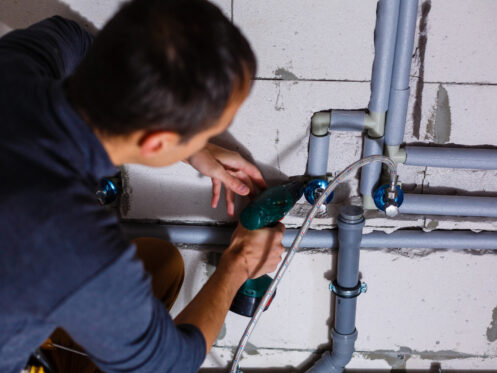
Plumbing system upgrades can save money on water bills, prevent costly emergencies, and increase your home’s value.
Your home’s plumbing system works hard every day, but over time, pipes corrode, fixtures wear out, and older technology wastes water and energy. Many homeowners don’t think about their plumbing until something breaks. But waiting for a problem can lead to expensive repairs and water damage.
Simple changes like installing water-efficient fixtures or replacing old pipes can make a real difference in daily comfort and long-term savings. Modern plumbing technology also offers better performance and reliability than systems installed decades ago.
This guide covers the signs that indicate a plumbing upgrade is necessary, the most common types of upgrades, and how to decide between tackling projects independently or hiring a professional. It also explains how to keep upgraded systems running smoothly for years to come.
Here’s what you need to know:
- What are plumbing system upgrades?
- Signs your plumbing system needs an upgrade
- Common plumbing system upgrades
- How plumbing system upgrades are performed
- Benefits of professional plumbing system upgrades
- DIY vs professional plumbing system upgrades
- How to maintain your upgraded plumbing system
- Why choose Splash Plumbing for plumbing system upgrades
Keep reading! Understanding when upgrades are needed and which improvements deliver the best results helps homeowners make smart decisions.
What are plumbing system upgrades?
Plumbing system upgrades involve replacing or improving existing pipes, fixtures, and equipment to boost efficiency, reduce water waste, and prevent future problems. These changes range from simple fixture swaps to complete system overhauls in both homes and businesses.
Overview of residential and commercial upgrades
Residential plumbing upgrades focus on improving daily comfort and reducing utility bills in homes. Homeowners typically replace old water heaters, update bathroom and kitchen fixtures, or install new pipe systems. These changes address aging infrastructure that may cause leaks or poor water pressure.
Commercial plumbing improvements serve businesses, office buildings, and industrial facilities with different needs. Commercial systems handle higher water volume and more users than residential systems. Businesses often upgrade to meet code requirements, improve sanitation, or support new equipment installations.
The scale differs significantly between these two types. A home might need one or two bathrooms updated, while a commercial building could require upgrades across multiple floors with dozens of fixtures. Commercial projects also need to minimize business disruption during installation.
Benefits of updating plumbing systems
Lower water bills result from installing efficient fixtures that use less water without reducing performance. Low-flow toilets and faucets can cut water consumption by 30-50% compared to older models.
Reduced energy costs come from modern water heaters that heat water faster and maintain temperature better. Tankless systems only heat water when needed, eliminating standby energy loss.
Fewer repairs become necessary after upgrading old pipes and fixtures. New materials resist corrosion and leaks better than aging systems. This prevents water damage to walls, floors, and foundations.
Higher property value attracts buyers who appreciate updated plumbing systems. Real estate appraisers recognize that modern plumbing reduces future maintenance costs for new owners.
Common types of plumbing upgrades
- Water heaters: Switching from tank models to tankless systems or upgrading to energy-efficient tanks
- Pipes: Replacing galvanized steel or corroded copper with PEX or newer copper piping
- Fixtures: Installing low-flow toilets, faucets, and showerheads that conserve water
- Water filtration: Adding whole-house systems that remove contaminants and improve taste
- Smart technology: Installing leak detectors and automatic shut-off valves that monitor systems
- Sewer lines: Repairing or replacing damaged underground pipes before major failures occur
- Gas lines: Upgrading outdated gas piping for safety and to support new appliances
Fixture upgrades represent the most common and affordable option for property owners. Pipe replacement costs more but prevents extensive water damage. Water treatment systems address health concerns and protect appliances from mineral buildup.
Signs your plumbing system needs an upgrade
Older plumbing systems show warning signs before they fail completely. Recognizing problems like persistent leaks, weak water flow, outdated fixtures, and constant repairs helps homeowners address issues before they cause serious damage.
Frequent leaks or pipe corrosion
Leaks that keep coming back signal that pipes have reached the end of their useful life. Small drips may seem minor, but they waste water and cause damage to walls, floors, and foundations over time.
Corrosion appears as rust, discoloration, or flaking on exposed pipes. Homes built before 1970 often have galvanized steel pipes that corrode from the inside out. This creates rough surfaces where minerals and debris collect, leading to blockages and more leaks.
Water stains on ceilings or walls indicate hidden leaks behind surfaces. These leaks often go unnoticed until significant damage occurs. Multiple leaks in different locations suggest the entire system needs replacement rather than spot repairs.
Visible corrosion on pipe joints and connections means the problem extends throughout the system. Once corrosion starts, it spreads quickly and cannot be reversed.
Low water pressure or inconsistent flow
Weak water pressure makes daily tasks frustrating. Showers lack force, faucets run slowly, and appliances take longer to fill. This happens when mineral deposits build up inside old pipes and restrict water flow.
Inconsistent pressure means water surges and drops randomly. One fixture might work fine while another barely produces a trickle. This points to blockages or deteriorating pipes in specific sections of the system.
Multiple fixtures running at once should not drain pressure significantly. If turning on a dishwasher makes the shower unusable, the pipes cannot handle normal household demand. Older homes with half-inch pipes need upgrades to three-quarter-inch pipes for adequate flow.
Galvanized pipes narrow over decades as rust and minerals accumulate. A pipe that once provided full flow may lose 50% of its capacity after 40 years.
Outdated fixtures or inefficient water usage
Old fixtures waste thousands of gallons per year. Toilets installed before 1994 use 3.5 to 7 gallons per flush compared to modern toilets that use 1.28 gallons. A family of four can save over 16,000 gallons annually by upgrading.
Faucets and showerheads from the 1980s and 1990s flow at 3 to 5 gallons per minute. Current water-efficient models deliver 1.5 to 2 gallons per minute without sacrificing performance. This reduces water bills and energy costs for heating water.
Visible wear on fixtures includes rust, cracks, persistent drips, and handles that stick or spin freely. These problems worsen over time and lead to water damage. Fixtures older than 15 years lack modern efficiency standards and should be replaced.
Frequent repairs or plumbing emergencies
Calling a plumber every few months costs more than upgrading the system. Repeated fixes address symptoms rather than the underlying problem of aging infrastructure.
Emergency repairs happen at the worst times and create stress. Burst pipes flood homes and damage belongings. Backed-up drains create unsanitary conditions. These emergencies become more common as systems age past their design life.
Plumbing systems typically last 50 to 70 years for copper pipes and 20 to 50 years for galvanized steel. Homes approaching these ages need proactive upgrades before failures occur. Repair costs that exceed 50% of replacement costs make upgrading the better financial choice.
Common plumbing system upgrades
Homeowners typically focus on four main areas when upgrading their plumbing systems: replacing old pipes, updating water heaters, modernizing fixtures, and adding filtration systems. Each upgrade addresses specific problems while improving efficiency and home value.
Pipe replacement and repiping
Old pipes cause problems like low water pressure, discolored water, and leaks. Homes built before 1970 often have galvanized steel or outdated materials that corrode over time. These pipes eventually fail and need replacement.
Repiping involves removing old pipes and installing new ones throughout the home. Copper and PEX (cross-linked polyethylene) are the most common replacement materials. Copper pipes last 50 years or more and resist bacteria growth. PEX costs less than copper and installs faster because it’s flexible.
Partial repiping targets specific problem areas like the kitchen or bathroom. Full home repiping replaces all water supply lines at once. This option works best when multiple sections show signs of failure or during major renovations.
Professional plumbers assess the current system before recommending a repiping plan. They check water pressure, inspect exposed pipes for corrosion, and test water quality. The assessment determines which materials and approach suit the home’s specific needs.
Installing modern water heaters
Water heaters account for about 20% of home energy costs. Older tank models waste energy by constantly heating stored water. Modern options reduce this waste significantly.
According to the U.S. Department of Energy (DOE), water heating uses about 18% of a typical home’s energy, making it one of the largest household energy expenses.
Tankless water heaters heat water on demand instead of storing it. They last up to 20 years and provide endless hot water. These units cost more upfront but lower monthly energy bills by 24 to 34% compared to tank models.
Heat pump water heaters pull warmth from surrounding air to heat water. They use 60% less energy than standard electric water heaters. These work best in warm climates or spaces that stay between 40°F and 90°F year-round.
Standard tank water heaters still make sense for some homes. New models include better insulation and energy-efficient features. High-efficiency tank heaters with Energy Star ratings reduce energy use by up to 10%.
Upgrading fixtures and faucets
Modern fixtures combine better design with water efficiency upgrades. Low-flow showerheads use 2.0 gallons per minute or less while maintaining strong water pressure. Standard showerheads use 2.5 gallons per minute or more.
According to the U.S. EPA, WaterSense showerheads must use no more than 2.0 gallons per minute while maintaining performance, whereas standard showerheads use 2.5 gpm.
WaterSense-labeled toilets flush effectively using 1.28 gallons per flush. Older toilets use 3.5 to 7 gallons per flush. A family of four saves up to 16,000 gallons of water yearly by switching to high-efficiency toilets.
Per the U.S. EPA’s WaterSense program, WaterSense-labeled toilets are specified to a maximum flush volume of 1.28 gallons per flush, 20% below the federal standard.
Touchless faucets reduce water waste and improve hygiene. Motion sensors turn water on and off automatically. These fixtures work well in kitchens and bathrooms where people wash hands frequently.
Aerators attach to existing faucets and reduce flow without sacrificing pressure. They mix air into the water stream and cost just a few dollars. This simple upgrade cuts faucet water use by 30% or more.
Water filtration and treatment systems
Water treatment systems remove contaminants and improve taste. Whole-house filtration systems connect to the main water line and treat all water entering the home. Point-of-use filters attach to specific faucets or under sinks.
Carbon filters remove chlorine, pesticides, and organic compounds that affect taste and odor. They need replacement every six months to maintain effectiveness.
Reverse osmosis systems remove up to 99% of dissolved solids, including lead, arsenic, and fluoride. These systems waste some water during filtration but provide the cleanest drinking water.
Water softeners treat hard water by removing minerals like calcium and magnesium. Hard water leaves scale buildup in pipes and appliances. Softened water extends appliance life and reduces soap and detergent use by up to 50%.
How plumbing system upgrades are performed
Upgrading a plumbing system requires careful evaluation of existing pipes and fixtures, strategic planning of improvements, professional installation work, and verification that all changes meet safety standards and local regulations.
Assessing your current system
A plumber starts by inspecting all visible pipes, water lines, drains, and fixtures throughout the home. They look for signs of corrosion, leaks, water pressure issues, and outdated materials like galvanized steel or polybutylene pipes. The age of the water heater gets checked along with its efficiency rating.
During the assessment, the plumber tests water flow rates at different fixtures and measures water pressure. They examine the condition of shut-off valves and check for any previous repairs that might affect new installations. Many professionals use camera inspections to view the inside of drain lines and sewer pipes.
The inspection reveals which components need immediate replacement and which ones can wait. A detailed report helps homeowners understand the scope of work required and prioritize upgrades based on urgency and budget.
Planning and selecting upgrade solutions
Once the assessment is complete, the plumber creates a detailed plan that outlines which systems need upgrading. This plan includes material selections such as PEX, copper, or CPVC for water lines and PVC for drain systems. Each material choice depends on local codes, budget constraints, and specific home requirements.
The planning phase involves mapping out new pipe routes, identifying access points, and determining if walls or floors need opening. Homeowners decide on fixture upgrades like low-flow toilets, new faucets, or tankless water heaters at this stage. The plumber provides cost estimates that break down labor, materials, and permit fees.
A timeline gets established that minimizes disruption to daily routines. The plan accounts for temporary water shutoffs and alternative arrangements during major installations.
Professional installation and testing
Licensed plumbers handle the physical work of removing old components and installing new systems. They shut off the main water supply before disconnecting outdated pipes and fixtures. Workers protect floors and walls with drop cloths and plastic sheeting to prevent damage during demolition.
New pipes get cut to precise measurements and connected using appropriate joining methods. Copper pipes require soldering, while PEX uses compression or crimp fittings. Each connection must be secure and watertight.
After installation, plumbers run comprehensive tests on the entire system. They check for leaks by pressurizing water lines and inspecting every joint and connection point. Drain systems get tested with water flow to confirm proper drainage and venting. The plumber adjusts water pressure if needed and verifies that all fixtures operate correctly.
Ensuring code compliance and safety
All plumbing upgrades must follow local building codes and plumbing regulations. These codes specify pipe sizes, material requirements, venting standards, and installation methods. A licensed plumber understands these requirements and ensures every aspect of the upgrade meets or exceeds code standards.
Most jurisdictions require permits for major plumbing work. The plumber submits plans to the local building department and schedules inspections at key stages of the project. An inspector examines the work before walls get closed up and after final installation.
The final inspection confirms that all work complies with safety standards. This includes proper support for pipes, correct slope for drainage, adequate venting, and secure gas line connections if applicable. Once approved, the homeowner receives documentation that proves the work was completed legally and safely.
Benefits of professional plumbing system upgrades
Professional plumbing upgrades deliver measurable improvements in water usage, system reliability, and home value. These changes reduce monthly costs while protecting properties from expensive water damage.
Improved water efficiency and lower bills
Modern plumbing fixtures use significantly less water than older models. Low-flow toilets, for example, use 1.28 gallons per flush compared to older toilets that consume 3.5 to 7 gallons.
Upgrading to water-efficient fixtures can reduce household water consumption by 20-30%. This translates to lower monthly utility bills. A family of four typically saves $380 per year on water costs after installing efficient fixtures.
Professional plumbers can identify hidden sources of water waste during upgrades. They replace worn washers, outdated valves, and inefficient components that slowly drain resources. These small fixes add up to substantial savings over time.
Tankless water heaters represent another efficiency upgrade. These systems heat water on demand rather than maintaining a large tank of hot water. Homeowners save on energy costs while getting endless hot water when needed.
Reduced risk of leaks and water damage
Old pipes deteriorate over time and become prone to leaks and bursts. Galvanized steel pipes, common in homes built before 1960, corrode from the inside out. This creates weak spots that eventually fail.
Professional plumbing modernization replaces aging pipes with durable materials like copper or PEX. These materials resist corrosion and last 50-100 years. The upgrade eliminates the constant threat of pipe failures.
Water damage from plumbing failures costs homeowners an average of $10,000 per incident. Hidden leaks also promote mold growth, which creates health hazards and requires expensive remediation. Upgraded systems prevent these costly problems.
Modern shut-off valves provide better control during emergencies. Professional plumbers install accessible valves at key locations throughout the system. This allows quick water shutoff if problems occur, minimizing potential damage.
Modernized, reliable plumbing performance
Updated plumbing systems deliver consistent water pressure throughout the home. Old pipes accumulate mineral deposits that restrict flow and create pressure problems. Replacement pipes restore proper water delivery to all fixtures.
Modern fixtures offer features that improve daily convenience. Touchless faucets reduce germ transmission and prevent waste. Pressure-balancing shower valves eliminate sudden temperature changes when someone flushes a toilet or runs water elsewhere.
Upgraded systems handle today’s water demands better than older infrastructure. Contemporary homes use more water simultaneously than older designs anticipated. Professional upgrades size pipes correctly and balance the system for modern usage patterns.
New plumbing components require less maintenance than aged systems. They operate reliably without frequent repairs or attention. Homeowners spend less time dealing with plumbing issues and more time enjoying their homes.
Enhanced property value
Real estate appraisers recognize upgraded plumbing as a valuable home improvement. Buyers pay premium prices for homes with modern plumbing systems because they avoid immediate repair costs.
A complete plumbing upgrade typically returns 50-70% of its cost in increased home value. This return on investment compares favorably to many other home improvements. The upgrade becomes even more valuable in older homes where outdated plumbing raises buyer concerns.
Homes with upgraded plumbing sell faster than comparable properties with old systems. Buyers view modern plumbing as a sign of overall home care and quality. They feel more confident purchasing a property that won’t require immediate plumbing work.
Updated plumbing also helps homes pass inspections more easily. Many buyers require satisfactory inspections before completing purchases. Modern systems generate fewer inspection red flags that might derail sales or reduce negotiated prices.
DIY vs professional plumbing system upgrades
Plumbing system upgrades involve complex work that differs significantly from basic repairs. The choice between handling upgrades yourself or hiring a professional affects safety, legal compliance, and how well the system works over time.
Risks of improper installation
Incorrect installation of upgraded plumbing can cause serious water damage to walls, floors, and foundations. A single mistake with pipe connections or fittings can lead to leaks that remain hidden for months before causing thousands of dollars in damage.
Gas line work presents life-threatening risks when done incorrectly. Improper gas line installation can result in gas leaks, fires, or explosions. These installations require specialized tools and testing equipment that most homeowners don’t own.
Water pressure problems often result from DIY upgrades. Installing the wrong pipe sizes or failing to account for proper water flow can leave fixtures working poorly throughout the home. Drainage issues also occur when pipes aren’t installed at the correct slope, leading to slow drains and frequent clogs.
Expensive fixes become necessary when initial work is done wrong. Ripping out incorrectly installed pipes and fixtures costs more than hiring a professional from the start.
Ensuring safety and code compliance
Local building codes set specific requirements for all plumbing system upgrades. These codes exist to protect health and safety by ensuring proper installation methods and materials. Homeowners who skip permits risk fines and must redo work to pass inspection.
Professional plumbers know current code requirements for their areas. They understand which materials are approved, how to properly vent systems, and what spacing is required between fixtures. This knowledge prevents failed inspections and legal problems.
Insurance companies may deny claims for damage caused by unpermitted work. When selling a home, unpermitted plumbing upgrades can delay or cancel sales. Buyers often require corrections before closing, which costs more than the original permit fees.
Permits require inspections at specific stages of work. These inspections catch problems before they become hidden behind walls. Licensed plumbers carry insurance that protects homeowners if something goes wrong during installation.
Long-term reliability and performance benefits
Professional installations typically last longer because they use proper techniques and materials. Licensed plumbers know which pipe materials work best for specific applications and local water conditions. They also understand how to protect pipes from freezing and corrosion.
Warranty coverage comes with professional work. Most plumbing companies guarantee their installations for several years, covering both labor and materials. DIY upgrades have no such protection, leaving homeowners responsible for all future repairs.
Water efficiency improves with professionally installed systems. Experts can design upgrades that reduce water waste while maintaining good pressure throughout the home. They also ensure proper connections to water heaters and other appliances.
Future maintenance becomes easier when systems are installed correctly. Professional plumbers install shut-off valves in accessible locations and label components clearly. They also provide documentation of the work completed, which helps with future repairs or additional upgrades.
How to maintain your upgraded plumbing system
A new plumbing system requires regular care to protect your investment and prevent future problems. Simple maintenance tasks and professional checkups keep pipes flowing smoothly and help catch issues before they become expensive repairs.
Routine inspections and maintenance
Homeowners should inspect visible pipes, faucets, and fixtures every three months. Check under sinks and around toilets for moisture, rust, or discoloration on pipes and connections.
Test all faucets and showerheads monthly. Run water in each fixture and check for proper pressure and drainage. Slow drains often signal developing clogs that are easier to clear early.
Clean faucet aerators and showerheads every six months. Mineral deposits reduce water flow and pressure over time. Unscrew these parts and soak them in white vinegar for a few hours to remove buildup.
Check water pressure regularly with a pressure gauge attached to an outdoor spigot. Normal pressure ranges from 40 to 60 psi. Pressure above 80 psi can damage pipes and fixtures, while low pressure may indicate a leak or blockage.
Flush water heaters annually to remove sediment that reduces efficiency and damages the tank. This simple task extends the heater’s lifespan by several years.
Avoid flushing debris or corrosive materials
Only human waste and toilet paper should go down toilets. Items like paper towels, wipes (even those labeled “flushable”), feminine products, and cotton swabs cause clogs in newer plumbing systems.
Kitchen drains require careful use. Avoid pouring grease, oil, or fat down any drain, as these substances solidify in pipes and create stubborn blockages. Coffee grounds, eggshells, and fibrous foods like celery can also cause problems.
Chemical drain cleaners damage pipes over time. These products contain harsh acids or bases that corrode pipe materials, including modern PEX and copper. Use a plunger or drain snake instead.
Install drain screens in sinks and showers. These inexpensive devices catch hair, food particles, and other debris before they enter the plumbing system.
Schedule professional servicing
A licensed plumber should inspect the entire system once per year. Professional inspections identify hidden issues like small leaks inside walls, corroding connections, or failing valve seals.
Annual servicing includes checking water heater performance, testing pressure relief valves, and inspecting sump pumps where applicable. Plumbers use specialized tools to detect problems homeowners cannot see.
Schedule camera inspections of main sewer lines every three to five years. This preventive measure reveals tree root intrusion, pipe settling, or early signs of damage before major backups occur.
Professional maintenance costs less than emergency repairs. Most plumbing companies offer service plans that include annual inspections and priority scheduling.
Monitor for leaks and early signs of wear
Check water bills monthly for unexpected increases. A sudden jump in water usage often indicates a hidden leak, even when no visible water appears.
Watch for water stains on ceilings, walls, or floors. Brown or yellow discoloration means water has been leaking long enough to damage building materials.
Listen for unusual sounds like hissing, dripping, or running water when fixtures are off. These noises point to active leaks or failing components that need immediate attention.
Install water leak detectors near water heaters, washing machines, and under sinks. These battery-powered devices sound an alarm when they sense moisture, allowing quick response to leaks.
Inspect pipe joints and connections in basements and crawl spaces every few months. Look for condensation, mineral deposits, or wet spots that signal developing leaks. Address small leaks immediately to prevent water damage and mold growth.
Why choose Splash Plumbing for plumbing system upgrades
Splash Plumbing combines technical skill with practical experience to deliver upgrades that improve home performance and property value. Their team uses proven methods and quality materials to ensure every installation meets high standards.
Experienced residential and commercial specialists
Splash Plumbing works with both homeowners and business owners who need professional plumbing services. Their technicians understand how different buildings require different approaches to plumbing upgrades.
Residential projects often focus on water heaters, fixture replacements, and pipe system modernization. Commercial work may involve larger-scale installations and systems that handle higher daily usage. The team adjusts their methods based on each property’s specific needs.
Their specialists stay current with building codes and industry standards. This knowledge helps prevent problems during inspections and ensures upgrades meet local requirements. Property owners get installations done right the first time without delays or rework.
Advanced tools and techniques
The company uses modern equipment designed for efficient plumbing installations. These tools help complete upgrades faster while maintaining quality standards.
Camera inspections allow technicians to see inside pipes without unnecessary digging or wall removal. This technology identifies problems quickly and helps plan upgrades with minimal disruption. Homeowners avoid guesswork and get accurate assessments of their plumbing conditions.
Modern pipe materials like PEX and copper resist corrosion better than older options. Splash Plumbing selects materials based on water quality, temperature requirements, and long-term durability. These choices extend system life and reduce future maintenance needs.
Fast, reliable service with local expertise
Splash Plumbing operates as a local business that understands regional plumbing challenges. They know common issues in the area and how to address them effectively.
Response times stay short because the team works within the community. Emergency situations get attention quickly, and scheduled upgrades move forward without unnecessary delays. Their familiarity with local suppliers also speeds up material procurement.
The company maintains clear communication throughout each project. Customers receive updates on progress and any unexpected findings. This transparency helps property owners make informed decisions about their plumbing upgrades.
Proven customer satisfaction and professional results
The company focuses on delivering results that meet customer expectations. Their approach emphasizes careful work and attention to detail throughout every installation.
Splash Plumbing stands behind their work with service guarantees. If issues arise after an upgrade, they address them promptly. This commitment to quality gives property owners confidence in their investment.
Reviews and repeat customers demonstrate the company’s track record. Many clients return for additional projects or recommend the service to others. This reputation reflects consistent performance across different types of plumbing upgrades.
Conclusion
Upgrading a plumbing system brings both immediate and long-term benefits to any home. Homeowners who invest in modern fixtures, updated pipes, and efficient water systems often see reduced utility bills and fewer emergency repairs.
These improvements also make homes more attractive to potential buyers. Updated plumbing addresses common problems like leaks, low water pressure, and outdated materials that can cause expensive damage over time.
Homeowners should assess their current plumbing to identify which upgrades offer the most value. Kitchens and bathrooms typically provide the best return on investment since buyers pay close attention to these spaces.
Working with a licensed plumber ensures that all upgrades meet local codes and are installed correctly. Professional installation prevents future problems and protects the investment.
The cost of plumbing upgrades varies based on the scope of work and materials chosen. However, even small improvements can make a noticeable difference in daily comfort and system efficiency.
Property owners who prioritize plumbing maintenance and upgrades protect their investment while enjoying a more functional home. These improvements pay dividends through lower operating costs, fewer repairs, and enhanced property value.
Request a professional plumbing upgrade estimate with Splash Plumbing and schedule an on-site assessment to size materials, verify code requirements, and deliver a clear, itemized proposal.