Why Pipe Corrosion Is Common in Older Orange County Homes
Pipe corrosion happens more often in older Orange County homes because of a few key reasons. The materials used in older plumbing wear down over time. Water quality can add to the damage, and the local environment also plays a role in speeding up corrosion.Aging Plumbing Materials
Many older homes in Orange County have pipes made from galvanized steel, cast iron, or copper. These materials were common before the 1970s but are more likely to corrode as they age. For example, galvanized steel pipes develop rust inside the pipe walls, which blocks water flow and weakens the pipe. Cast iron pipes also corrode from the inside, leading to leaks or bursts. Copper pipes can develop green or blue stains when corroded. As these pipes get older, corrosion becomes unavoidable.Water Quality Issues
The water in Orange County can have minerals like calcium and magnesium. These minerals build up inside pipes and create a rough surface where corrosion starts easier. This buildup also lowers water flow and pressure. In some cases, the water’s pH level can make the problem worse. Acidic or very hard water wears down metal pipes faster. Salt or other chemicals in the water can also increase corrosion risks. If you notice changes in water taste, strange odors, or rusty water, your pipes might be suffering from damage linked to water quality. A water softener or treatment system may help slow this process.Local Environmental Factors
Orange County’s coastal location affects pipe corrosion a lot. Salt in the air and moisture can settle on exposed pipes, causing surface rust and damage faster than in inland areas. This “salt-air corrosion” especially affects pipes outdoors or in areas with poor ventilation. Coastal weather changes, like high humidity, keep metal surfaces damp and speed up corrosion. Protecting your plumbing means staying alert for early signs of damage, like stains or unusual noises.Early Warning Signs of Pipe Corrosion
Pipe corrosion in older Orange County homes happens slowly and often goes unnoticed until it causes bigger problems. You might see changes in your water color, smell strange odors, or notice less water pressure. These signs can help you catch corrosion early before it leads to leaks or pipe bursts.Discolored Tap Water
If your water looks rusty, brown, or yellow, it could mean your pipes are corroding. The corrosion causes metal particles from inside the pipes to mix with your water. This discoloration is often more noticeable after using hot water or right after you turn on the tap. Colored water isn’t just ugly; it can damage appliances like dishwashers and washing machines over time. It might also stain sinks and tubs. If you notice this, avoid drinking or cooking with that water until it’s checked.Metallic or Unpleasant Odors
Water coming from corroded pipes can have odd smells like metallic, sour, or rotten eggs. These smells happen because corrosion changes the chemical balance of the water. Sometimes, bacteria grow inside rusty pipes, adding to the bad odor. You may only notice these smells when using water in your kitchen or bathroom sinks. If the odor lasts or gets worse, it’s a sign you need professional help.Reduced Water Pressure
When your pipes corrode, buildup can block the water flow inside them. This causes your water pressure to drop. You might find showers, faucets, or garden hoses don’t work as strongly as before. Low pressure can make daily tasks take longer, like washing dishes or filling a bathtub. It can also signal bigger blockages or weak spots in your pipes that might leak soon. If your water pressure drops suddenly or steadily over time, a pipe inspection can find the problem early.Visible Symptoms of Corroded Pipes
When pipes start to corrode, you might notice changes around your home that are hard to ignore. These visible signs can show up on your fixtures, pipes, or even inside walls. Catching them early helps you avoid big, costly repairs.Green or Blue Staining on Fixtures
If you see green or blue stains around your taps or sinks, it usually means copper pipes are corroding. This happens when metal particles break off and mix with your water. These colors are caused by copper oxide, a clear sign your pipes are wearing down. Pay attention to stains that won’t wash away easily. They often appear near joints or where water drips frequently. Besides being ugly, these stains suggest your water might carry tiny bits of metal, which isn’t good for your plumbing or water quality.Rust Spots on Exposed Pipes
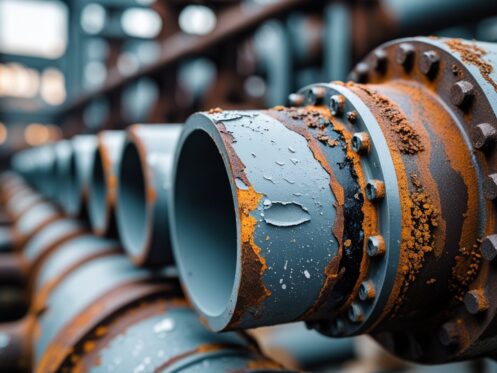
Rust on pipes is a clear warning. If you spot reddish-brown patches on pipes you can see—especially cast iron or galvanized steel pipes—it means corrosion has started. Rust weakens the pipe walls, making leaks more likely. Look closely at sections near bends or valves because those spots tend to corrode first. Rust can flake off and clog your drains or faucets.Unexplained Damp Areas
Damp patches on walls, ceilings, or floors near plumbing lines often hint at hidden corrosion damage. Corroded pipes develop tiny holes that let water seep out slowly, causing moisture where it shouldn’t be. If you notice wet spots without a clear cause, don’t ignore them. This can lead to mold growth or structural damage over time.If you live in Orange County and see any of these signs, Splash Plumbing can help you with quick and reliable pipe inspections and repairs.
Hidden Signs of Advanced Corrosion
Sometimes pipe corrosion is hidden well beneath walls or floors and doesn’t show obvious signs right away. You might notice unusual issues that point to serious problems deep inside your plumbing. These issues can cause more damage if not fixed quickly.Recurring Leaks
If your pipes keep leaking in the same spots, it can mean corrosion has weakened the metal inside. These leaks may start small and seem easy to fix but come back often. Corrosion eats away at pipes from the inside, causing tiny cracks or holes that grow over time. You might see water pooling or notice damp spots near your walls or under sinks. Even if plumbers fix these leaks, the root cause—rust and corrosion—needs to be addressed.Mold or Mildew Growth
Damaged pipes can leak water into hidden spaces like behind walls or under floors. This moisture encourages mold or mildew growth. You might smell a musty odor or see stains and dark patches on walls or ceilings. Mold isn’t just a surface problem. If you notice unexplained mold or dampness, it might be from slow leaks caused by corroded pipes. These leaks often happen in places you can’t easily check.Unusually High Water Bills
Corroded pipes may cause tiny leaks that waste water without you noticing. As corrosion damages the inside of pipes, it can create small holes or thin spots where water slowly escapes. This can lead to a higher water bill even if no leaks are visible. If your water bill suddenly spikes and you don’t see drips or puddles, it’s worth checking for hidden corrosion.Consequences of Ignoring Pipe Corrosion
When pipe corrosion is left unchecked, it can cause serious problems for your home. These issues affect both the structure of your property and the water you use every day. It’s important to understand what can happen if you don’t address corrosion early.Potential Structural Damage
Corroded pipes weaken over time and can break or burst without warning. When that happens, water can leak into your walls, floors, or ceilings. This causes damage to wood, drywall, and insulation, which can lead to costly repairs. Leaks hidden inside walls may go unnoticed until the damage becomes severe. Mold and mildew can develop from long-term moisture exposure, creating health risks and further damaging your home. If your home has older pipes, it’s a good idea to have a professional inspection.Degraded Water Quality
Rust and corrosion inside pipes can affect the quality of your water. You might notice a change in taste, color, or smell. Brown or reddish water is a common sign that iron from corroded pipes is entering your water supply. These substances don’t just look bad—they can clog your fixtures and reduce water flow. Over time, harmful metals like lead can leach into the water if your pipes are old and worn down. This can cause health problems, especially for children and people with weakened immune systems. Ignoring pipe corrosion can also lead to stained sinks and appliances, increasing the need for constant cleaning or replacements.Steps to Identify and Address Pipe Corrosion
Identifying pipe corrosion early can save you from bigger problems like leaks and water damage. You need a careful look at your plumbing and tests to check the water’s condition. This helps find corrosion before it causes serious trouble.Professional Plumbing Inspections
A professional plumber can spot corrosion signs that are hard to see. They use special tools to inspect inside your pipes and check for rust, buildup, or cracks. Older homes in Orange County often have cast iron or galvanized steel pipes, which are more likely to corrode. Look for these signs during an inspection: low water pressure, strange noises, or discolored water. These may mean your pipes are clogged or rusting inside. Splash Plumbing’s experts can quickly evaluate your pipes and recommend repairs or replacement if needed. Regular inspections every few years are smart if your home is older. This keeps your plumbing safe and working well.Water Testing Procedures
Testing your water helps detect corrosion early, even when pipes look fine. A lab or plumber can test your water for metals like iron, copper, or lead that come from corroded pipes. High mineral content or low pH (acidic water) also speeds up corrosion. You can notice signs yourself, like water that looks rusty or smells metallic. But professional water testing gives clear results. It can guide you on how to treat your water or decide if pipe replacement is necessary. Splash Plumbing offers water testing services in Orange County homes. They use these tests to plan the best way to protect your water quality and plumbing system from corrosion damage.Preventative Measures for Homeowners
To keep your pipes safe from corrosion, start by checking the water quality in your home. Hard water with high calcium and magnesium can speed up corrosion. Installing a water softener can help reduce these minerals and protect your plumbing. Regular inspections are important. Look for signs like discolored water, low water pressure, or leaks. You can also consider getting a video sewer line inspection to spot problems inside pipes without costly digging. Make sure your pipes are properly maintained. Avoid pouring harsh chemicals or acidic substances down drains, as they can damage pipes over time. If you notice rust or flaky buildup, contact a plumber to check and fix the issue. At Splash Plumbing, we recommend scheduling routine plumbing maintenance. Our experienced team can spot early corrosion signs and offer repairs before problems worsen. Serving Orange County, including Anaheim, we’re ready to help you keep your home’s plumbing in good shape. Here is a quick checklist you can use:| Preventative Step | What to Do |
|---|---|
| Water Quality | Test and install softener if needed |
| Regular Inspections | Check for leaks, rust, discoloration |
| Avoid Chemicals | Use safe cleaning methods |
| Professional Help | Schedule routine maintenance with a trusted plumber |
When to Replace Plumbing in Older Homes
Knowing when to replace your plumbing pipes is important to avoid leaks and costly repairs. Pipes in older homes can wear out over time due to corrosion, rust, or damage from past repairs. Look for these signs that it might be time for replacement:- Discolored or rusty water
- Low water pressure
- Frequent leaks, even small ones
- Visible corrosion on exposed pipes
- Pipes made from outdated materials like galvanized steel or cast iron
| Condition | Action Needed |
|---|---|
| Small leaks, minor corrosion | Repair or partial replacement |
| Discolored water or low pressure | Inspect pipes closely |
| Frequent leaks or pipe bursts | Consider full replacement |
| Pipes over 50 years old | Plan for replacement soon |
Frequently Asked Questions
Pipe corrosion can show up in many ways, like changes in water color, low pressure, or leaks. Knowing what to watch for helps you catch problems early and avoid bigger damage.What are the common indicators of pipe corrosion to look out for in a home?
Look for rust-colored or discolored water coming from your taps. Low water pressure and frequent leaks are also common signs. You might notice a metallic taste or strange noises in your pipes too.How can you detect corrosion in hidden pipes within your walls?
Hidden pipes may show signs like damp spots, peeling paint, or a musty smell near walls or ceilings. You might hear dripping sounds or notice low water flow even when faucets are fully open.Are there any tell-tale water quality changes that suggest pipe corrosion?
Yes, water that looks brown, yellow, or greenish can point to corroded pipes. Sometimes the water smells metallic or tastes off. These changes often happen before visible leaks or plumbing failures.What is the life expectancy of plumbing materials typically used in older homes?
Galvanized steel pipes often last 40-50 years but start corroding after that. Cast iron pipes can last about 75 years but may corrode from the inside out. Lead pipes, common in very old homes, may last longer but pose health risks.Can discoloration or strange odors from your taps signal pipe problems?
Discolored water often means rust or sediment inside corroded pipes. Strange odors may come from bacteria buildup due to corrosion or stagnant water. Both are good reasons to have your plumbing inspected.What maintenance steps can help prevent corrosion in household plumbing?
Regularly flush your pipes by running water for several minutes to clear minerals. Using water softeners can reduce scale buildup. Have a professional plumber check your system yearly to catch early signs of corrosion.
Meet the Author