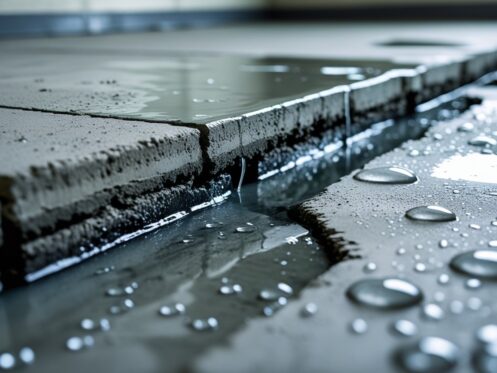
What Is a Slab Leak and Why It Matters
A slab leak happens when a water pipe under your concrete foundation cracks or springs a hole. This can threaten your foundation and lead to expensive repairs if you don’t act fast. Understanding what causes these leaks and how they impact your home is key to protecting your property (and your wallet).Common Causes of Slab Leaks
Slab leaks often start with pipe corrosion, shifting soil, or just plain bad installation. Metal pipes under concrete tend to rust or wear out over the years. Soil movement is a big culprit, too. When the ground under your home shifts or settles, it puts pressure on pipes and can make them crack. Sometimes, builders use the wrong materials or make poor connections during construction. That kind of shortcut can mean leaks show up way sooner than you’d expect. If you’re in Orange County, Splash Plumbing has the tools to find leaks—even the ones hidden deep under concrete.Impact of Untreated Slab Leaks
Letting a slab leak go can wreck your foundation. Water seeps under the slab, cracks concrete, and can make whole sections sink. That’s a nightmare for your home’s structure and your bank account. Mold and mildew love damp spaces, so leaks often lead to health problems, too. And don’t forget about those water bills—they’ll keep climbing. The longer you wait, the worse it gets. Even small leaks add up fast. Calling a pro like Splash Plumbing early can save you a lot of money and headaches.Signs You Need Slab Leak Repair in Orange County
Slab leaks don’t always announce themselves. Sometimes, they sneak up on you with small hints—maybe a higher water bill, a damp spot on the floor, or that weird sound of running water when every tap is off.Unusual Increases in Water Bills
A sudden spike in your water bill? That’s often a red flag. Slab leaks hide under concrete, so you rarely see puddles. Check your bill against previous months. If your usage hasn’t changed but the cost has, something’s probably up. Fixing leaks quickly means less money down the drain.Water Stains and Damp Flooring
Notice stains, damp patches, or warped floors near walls? These could point to a slab leak. Concrete traps moisture, so damage can spread quietly. Look for discolored spots, soft floorboards, or mold. These start small but can get really bad if ignored. Catching them early is always better.Sound of Running Water
Ever hear water running or dripping inside walls or under the floor—even when everything’s off? That could be water escaping under the slab. Listen for odd water noises when it’s quiet. If you catch it, call in pros like Splash Plumbing before things get out of hand.How Slab Leak Repair Experts Diagnose Issues
When you think you’ve got a slab leak, pros have some clever ways to find exactly where it’s coming from. They use tech that pinpoints the problem—without tearing up your whole house.Advanced Leak Detection Methods
With acoustic listening devices, plumbers can hear leaks underground that you’d never notice. These tools let them zero in on the leak without a lot of digging. Thermal imaging is another trick. It spots temperature changes where water is escaping, so a cold patch on your slab might be the culprit. It’s fast and cuts down on unnecessary repairs. Some plumbers use electronic leak detectors to measure moisture inside walls or slabs. These find hidden leaks without breaking anything open. All these methods save you time and keep your house in better shape.Non-Invasive Diagnostic Tools
Non-invasive tools are a lifesaver. Video pipe inspection sends a tiny camera into your pipes, showing real-time video of cracks or corrosion. Pressure testing checks if your pipes hold water as they should. If the pressure drops fast, there’s probably a leak somewhere. It’s a quick way to narrow things down. With these tools, plumbers can diagnose leaks before starting repairs, keeping your stress and costs down. Splash Plumbing uses these methods all over Orange County.Professional Slab Leak Repair Services in Orange County
Slab leak repairs can sound intimidating, but good plumbers use modern tools to get the job done with as little mess as possible. Their goal? Stop the leak fast and leave your home looking like nothing ever happened.Repair Options and Techniques
First, plumbers use advanced tech to find the damaged pipe—no random digging required. Once they find the spot, they might:- Reroute the pipe: Run water around the damaged section.
- Spot repair: Drill a small hole and fix just the leaky part.
- Pipe lining: Coat the inside of the pipe to seal up cracks.
Minimizing Property Disruption
Repairs can sometimes mean pulling up floors or opening walls, but pros do their best to keep this to a minimum. They use smart tools to make small access points and avoid big messes. They’ll tell you up front what might be impacted and offer tips for protecting your stuff. Afterward, they’ll help patch things up—whether that’s concrete or flooring. If you want slab leak repairs that are quick and careful, Splash Plumbing’s team is ready to help in Orange County.Choosing the Right Slab Leak Repair Experts
Picking the right slab leak expert isn’t just about who’s cheapest—it’s about skill and reputation. You want someone who knows the local area and has happy customers.Certifications and Local Experience
Always check for the proper licenses and certifications. These prove the plumber knows what they’re doing and is up to date on repair methods. Local experience matters too, since Orange County’s soil and rules can affect repairs. People who’ve worked here for years know the typical problems and use the latest tech to find leaks—no need to cut huge holes. Splash Plumbing has been around since 1998, so they’ve seen it all.Customer Reviews and Testimonials
Read what others have to say. Look for reviews mentioning quick responses, good communication, and solid repairs. Happy customers usually mean you’re in good hands. If you see lots of complaints about hidden fees or messy work, steer clear. The best plumbers are upfront about costs and clean up when they’re done. Splash Plumbing gets good marks for reliability and care. Checking reviews or talking to neighbors is always a smart move.Frequently Asked Questions
Worried about slab leaks? Knowing the warning signs and your next steps can save your home and your budget. A little info on detection, costs, and local experts goes a long way.How can I detect a slab leak in my home?
Look for damp spots or water stains on your floors. Sometimes you’ll hear hissing or dripping inside walls or under the floor. A higher water bill with no obvious reason is another clue. Pros use special gear to find leaks under concrete—no need to dig up your whole house.What are the signs that indicate I need slab repair services?
Watch for unexplained moisture, warm spots, cracks in walls or floors, or spongy areas underfoot. Low water pressure or the sound of running water when nothing’s on are also warning signs. Don’t wait—acting fast can save you a lot of trouble.How much does it typically cost to fix a slab leak?
Prices vary with the leak’s size and location. Small repairs might start around $500, but tough-to-reach leaks can run into the thousands. If your flooring or concrete needs fixing after, that’ll add to the cost.Can slab leak repairs be covered by homeowners insurance?
Some insurance policies help with slab leak repairs, but not all—especially if the leak’s from poor maintenance or slow damage. Check your policy and talk to your insurer before starting repairs.What steps should I take if I suspect a slab leak?
Shut off your main water supply to stop more damage. Call a trusted Orange County plumber right away for a proper inspection. Don’t put it off—leaks under slabs can get worse fast and cost a fortune if ignored.Who are the most recommended slab leak repair experts in Orange County?
Splash Plumbing stands out as a trusted local company with decades of hands-on experience. They handle slab leak detection and repairs quickly, using advanced tools to fix leaks without tearing up your house—at least, not more than absolutely necessary. If you’re in Anaheim or anywhere else in Orange County, you might want to give Splash Plumbing a call. They’ll usually get someone out to you fast, especially when things feel urgent.
Meet the Author