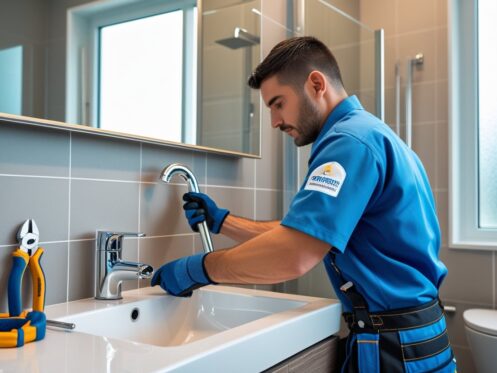
Essential Plumbing Maintenance Tasks for HOAs
To keep your HOA’s plumbing running smoothly, it’s important to focus on key tasks like inspections, finding leaks early, clearing drains, and checking water pressure. These actions help avoid big problems and keep your community’s pipes in good shape.Regular Inspections
You should schedule inspections at least once a year for all plumbing systems in common areas. This includes main water lines, valves, and shared fixtures. Look for signs of wear, corrosion, or leaks. During inspections, check the condition of backflow preventers and sewer lines. Make sure that licensed plumbers handle inspections to follow local codes. Keep detailed records of the inspection dates, findings, and repairs. This helps track the plumbing health in your community. Regular inspections show that you care about safety and prevent small problems from becoming emergencies.Leak Detection Procedures
Leaks can cause water waste, damage, and higher bills. To find leaks early, walk through all common plumbing areas monthly. Look for damp spots, water stains, or mold. Use meters to compare water usage regularly. Sudden spikes may signal hidden leaks. If you suspect a leak, check pipes, valves, and connections carefully. A good idea is to use video pipe inspection technology. This helps find leaks inside walls or underground without digging. When you find leaks, fix them fast to protect your community’s property and reduce water loss.Clearing Drains and Sewer Lines
Clogged drains affect all residents and cause odors or backups. Schedule drain cleaning yearly in common areas. This keeps pipes flowing freely. For sewer lines, remove blockages with hydro jetting or snaking tools. Avoid chemical drain cleaners which can harm pipes over time. You should also clear storm drains regularly to prevent floods during heavy rain. Set up a maintenance calendar for these tasks to avoid surprises. Keeping drains clean helps avoid pipe damage and keeps your community safe and pleasant.Water Pressure Checks
Water pressure that’s too high or too low can harm pipes and appliances. Test water pressure quarterly at various points in the community. Ideal water pressure usually falls between 40 and 60 psi. Pressure above 80 psi stresses pipes and valves, while below 40 psi may cause weak water flow. If pressure is too high, install or adjust pressure regulators to protect plumbing. Low pressure may mean leaks or clogs that need fixing. Maintaining correct water pressure improves plumbing lifespan and keeps everyone’s water flowing just right.If you need expert help with these tasks, Splash Plumbing has been serving Orange County since 1998 with reliable service and skilled professionals to keep your HOA’s plumbing in excellent condition.
Preventive Measures to Avoid Plumbing Issues
Keeping your plumbing system in good shape takes regular care and attention. Taking steps like checking pipes through the seasons, guarding against freezing, and stopping backflow helps you avoid costly repairs and keeps everything running smoothly.Seasonal Pipe Maintenance
Different seasons bring different challenges for your pipes. In the spring and summer, watch for leaks or damage from shifting soil or tree roots. During fall, clear gutters and outdoor drains to keep water flowing away from your pipes. Remove leaves and debris that can cause clogs. Winter means extra care to prevent pipes from freezing. Check insulation on any exposed pipes. Repair any cracks or gaps around pipes where cold air can sneak in. Regularly look for signs like dripping faucets, low water pressure, or strange noises. Fixing small problems early saves you from big headaches later.Protecting Against Pipe Freezing
Frozen pipes can burst and cause serious damage. To protect pipes, make sure you insulate them, especially those in unheated areas like garages or crawl spaces. Seal leaks that let cold air in near pipes. During very cold weather, let faucets drip slowly to keep water moving, which helps prevent freezing. If you plan to be away during winter, shut off the water supply and drain your pipes to avoid any freeze damage. Keeping heat near your plumbing and using pipe sleeves or heat tape adds extra protection. Splash Plumbing can help with professional inspection and installation if you need it.Implementing Backflow Prevention
Backflow happens when water flows backward into your clean water supply, carrying contaminants with it. It’s important to install backflow prevention devices on your water system. These devices stop dirty water from flowing backward into drinking water lines. You should test and maintain these devices regularly. Your HOA should have a schedule to inspect backflow preventers, ensuring they work correctly. Doing this prevents health risks and keeps your community’s water safe. Regular backflow testing and maintenance are smart steps to avoid fines and protect everyone’s health. Splash Plumbing offers backflow testing and repair services tailored for community systems.Establishing an HOA Maintenance Schedule
Creating a solid maintenance schedule helps you keep plumbing systems working smoothly and avoid costly repairs. Regular checks and clear timing for tasks will make your job easier and keep residents satisfied. Organizing tasks by how often they’re done helps you catch problems early and plan repairs without surprises.Monthly Checklist Items
Check all visible pipes and fixtures for leaks or drips. Make sure faucets, toilets, and valves work properly to prevent water waste and damage. Clean out drains and strainers to avoid clogs that can lead to backups or slow drainage. Test water pressure and look for signs of rust or corrosion on exposed plumbing parts. Keep an eye on water heaters to ensure they are heating properly and without leaks. You can also flush the system’s water heaters to remove buildup that reduces efficiency. Document any issues and set clear reminders for repairs. This will help you keep track and avoid letting small problems turn into big ones later.Quarterly Inspection Plan
Inspect irrigation systems during dry seasons to prevent leaks and water waste. Test backflow prevention devices to make sure they are working properly and protecting your water supply. Check underground or hidden pipes using video inspections when possible to find cracks or blockages. Look over sump pumps and drainage systems for any blockages or failures. Test emergency shut-off valves to ensure quick access in an urgent situation. Check the overall water meter for unusual spikes that might indicate hidden leaks. Plan these checks ahead of time and use software or a spreadsheet to organize inspections and notes. Delegating tasks to your team ensures nothing gets missed in busy months.Annual Plumbing Assessments
Hire a licensed plumbing professional at least once a year for a full system review. They can spot wear and tear you might miss, like pipe corrosion, weak seals, or water heater inefficiencies. Schedule water quality testing to detect mineral buildup or contamination affecting pipes and fixtures. Review and update your plumbing records, including past repairs and replacements. Creating a detailed report helps with budgeting for future maintenance or upgrades. Plan for replacing older components before they fail to avoid emergency repairs. Reach out to trusted companies like Splash Plumbing for thorough annual inspections that give you peace of mind.Addressing Plumbing Emergencies in Communities
Handling plumbing emergencies quickly and efficiently is key to protecting your HOA community from damage and costly repairs. Knowing what to do and where critical controls are helps keep everyone safe and limits the problem. Clear steps and easy access to shutoff points can make all the difference during a crisis.Developing Emergency Response Protocols
You should create a clear plan that tells everyone what to do when a plumbing emergency happens. This plan should include who to call first, such as your trusted plumber or maintenance team, and how to shut off the water supply if needed. Make sure residents know how to report problems fast. Set up a phone tree, email list, or a dedicated app for emergency alerts. The quicker you can respond, the less damage there will be. Train your staff and residents regularly on the plan. Practice drills help make sure everyone stays calm and acts quickly. Keep important phone numbers, like Splash Plumbing’s, easy to find so help is never far.Identifying Main Water Shutoff Locations
Knowing where the main water shutoff valves are in your community is crucial. These valves stop the water flow and can limit flooding and damage during a leak or burst pipe. Label each shutoff valve clearly and keep the area around it free from obstacles. Make a map showing all shutoffs and share it with residents and maintenance staff. Regularly check that these valves work properly. Sometimes they get stuck or corroded and won’t close fully when needed. If your HOA doesn’t have a clear system for this, consider hiring professionals like Splash Plumbing to inspect and update your shutoff setup. This small step can save your community a lot of trouble in an emergency.Working With Professional Plumbers
Hiring the right plumber ensures your HOA’s plumbing stays in good shape and avoids costly repairs. You want someone skilled, trustworthy, and reliable for long-term upkeep.Selecting Licensed Contractors
Always choose plumbers who hold valid licenses and insurance. This protects your community from poor workmanship or accidents during repairs. Check for reviews and ask for references to confirm their reliability. A licensed plumber follows safety codes and uses the best methods. You can also ask for proof of bonding and insurance. This covers you if anything goes wrong on the job. Make sure the plumber has experience working with HOAs. This means they understand the rules about shared plumbing and common areas.Scheduling Regular Service Visits
Set up a yearly or biannual plumbing inspection with your plumber. Regular visits catch small leaks, corrosion, or blockages before they turn into big problems. Create a maintenance calendar and keep track of completed service tasks. This helps ensure nothing important gets missed. During visits, ask the plumber to check water heaters, pressure valves, and sewer lines. You can also request video inspections to see inside pipes. If you live near Anaheim, CA, Splash Plumbing offers reliable service visits geared toward HOA needs. They respond fast and keep your plumbing running smoothly year-round.Resident Education and Communication
Keeping residents informed about plumbing maintenance is key to preventing problems. Clear communication helps everyone understand what to expect and how to avoid damage or costly repairs.Sharing Maintenance Guidelines
Provide easy-to-understand plumbing guidelines to your residents. These should explain what parts of the plumbing system the HOA covers and what residents must handle themselves. Use lists or bullet points to highlight simple things like:- Avoid flushing wipes or grease down toilets and drains
- Report leaks or slow drains immediately
- Know where your shut-off valves are located
Notifying About Repairs and Inspections
Let residents know well in advance about planned plumbing inspections or repairs. Notifications should list:- Date and time of work
- Areas affected (e.g., shared pipes, community water lines)
- Expected disruptions or precautions
Documenting Plumbing Maintenance Activities
Keeping detailed records and clear reports helps you track the condition of your plumbing system and make smart decisions about repairs or upgrades. Good documentation also helps you stay organized and shows proof of maintenance.Maintaining Service Records
You should keep a log of every plumbing inspection, repair, and upgrade done in your community. This includes dates, the type of work performed, parts replaced, and who did the work. A well-kept service record helps spot patterns like frequent leaks or recurring issues. Use a simple table to track this information:| Date | Task Performed | Part Replaced | Service Provider | Notes |
|---|---|---|---|---|
| 08/15/2025 | Leak repaired | Pipe section | Splash Plumbing | Leak fixed under kitchen sink |
| 09/30/2025 | Water pressure test | N/A | Splash Plumbing | Pressure normal |
Reporting Completed Tasks
After each plumbing task, a clear report should be shared with your HOA board or maintenance team. This report should explain what was done, the outcome, and if further work is needed. Use simple language and include photos if possible. A good report includes:- Task summary
- Results and test readings
- Materials used
- Follow-up recommendations
Compliance With Local Codes and Regulations
When managing plumbing in your HOA, following local codes and regulations is very important. These rules protect the community’s safety and help avoid costly fines or legal problems. Make sure your plumbing systems always meet or exceed these codes. Regular inspections are key. They help catch issues early and confirm that all plumbing work stays up to date with current standards. You should schedule inspections at least once a year or whenever there are major repairs. Keeping detailed records of inspections, repairs, and permits is also a must. These documents show that your HOA is serious about compliance and can be useful during audits or if questions arise. A few things to keep an eye on include:- Water pressure and flow rates
- Backflow prevention devices
- Proper sealing and piping materials
- Drainage and sewer connections
Frequently Asked Questions
Plumbing maintenance in your HOA needs regular checks and clear plans to keep everything running smoothly. Knowing what to inspect, how to prevent problems, and when to act fast helps you save time and money.What should be included in a seasonal plumbing inspection for our community?
Check common areas for leaks, corrosion, and proper drainage. Inspect main water lines, sewer lines, and irrigation systems. Also, look at water heaters and backflow prevention devices for any signs of wear.How can we proactively prevent common plumbing issues in our HOA properties?
Schedule regular cleanings and inspections, especially before changing seasons. Use water softeners to reduce buildup and install pressure regulators to avoid pipe damage. Promptly fix small leaks before they get worse.What are some signs that indicate the need for immediate plumbing maintenance in our HOA?
Listen for strange noises in pipes or water heaters. Watch for water discoloration, slow drains, or foul smells. Unexpected spikes in water bills can also signal hidden leaks.Can you provide tips for creating a cost-effective plumbing maintenance schedule for our homeowner’s association?
Plan quarterly inspections and annual professional checkups. Focus on high-risk areas like shared plumbing lines and mechanical rooms. Combine small repairs into one visit to reduce service costs.What steps should we take to educate our residents about proper plumbing care and maintenance?
Send out simple guides on avoiding clogs and leaks. Hold community meetings to explain shared plumbing responsibilities. Encourage residents to report issues early to prevent bigger problems.How often should we have a professional plumber inspect the HOA’s communal plumbing systems?
At least once a year is recommended for thorough inspections. In older buildings or larger communities, twice yearly checkups can catch issues sooner. Working with trusted experts like Splash Plumbing ensures quality service.
Meet the Author